
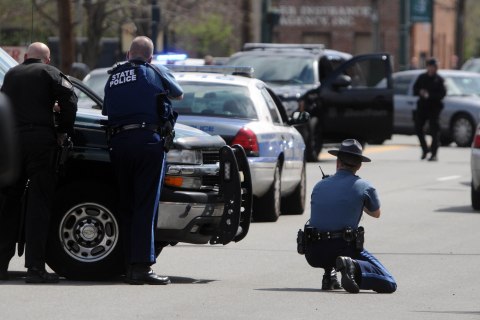
The police and FBI have a single goal in the manhunt now unfolding in Boston: toss a law-enforcement lasso around the suspect, then slowly tighten it into a noose.
Manhunts in the U.S. date back to sheriffs’ posses rounding up …

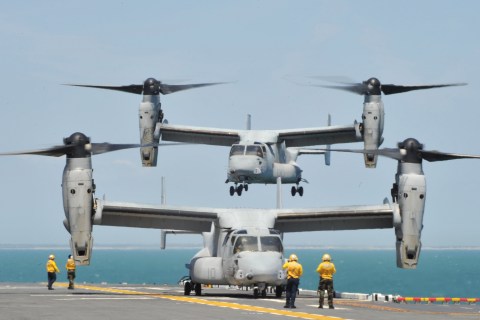
“Defense Department scientists and researchers will adjust to fiscal uncertainty by scrapping duplicative research…”

Defense Secretary Chuck Hagel’s visit to Israel this weekend shows that the military cooperation between the two allies continues to deepen despite the dire warnings of conservatives who went to the mats in January in an …
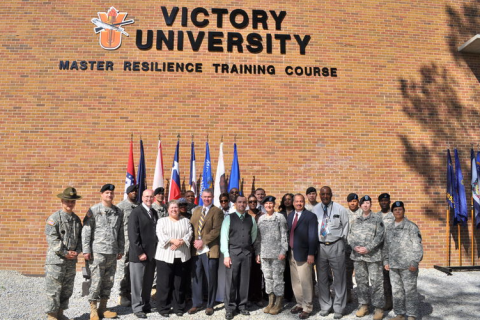
“Exposure to resilience training increased various aspects of Soldier resilience [and] psychological health, which, in turn, appeared to be associated with a reduced likelihood of receiving a diagnosis for a mental health problem (i.e., anxiety, depression, or posttraumatic stress disorder [PTSD])… the findings provided evidence that Soldiers exposed to the training were diagnosed with substance abuse problems at a significantly lower rate than Soldiers who were not exposed to the training.”
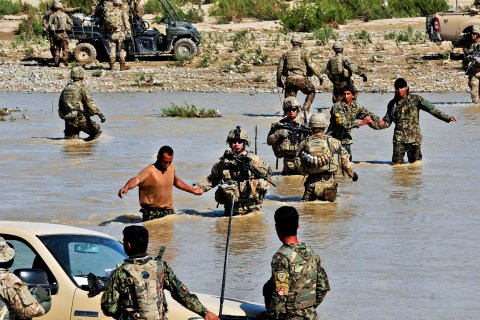
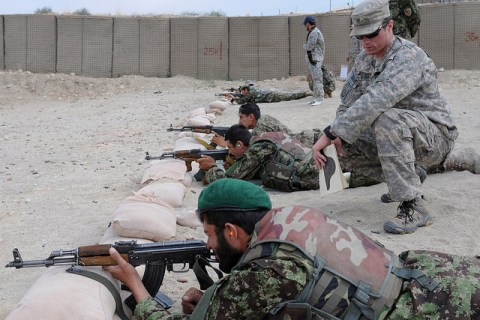
U.S. and Afghan soldiers crossing the Tarnak River in Kandahar province, April 10.
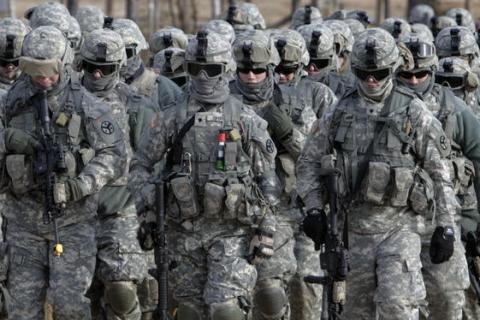
Ever since the post-9/11 wars put pressure on the U.S. Army for more troops, its reserve forces have effectively become part of the operational Army, and not confined to their traditional role as a so-called “strategic …

“I'm pretty frustrated with the DoD and I feel like some of the leadership at the DoD comes over here and they say: `Yes, sir. Thank you, sir. May we have another cut?’…When you're not on the cameras, please, please look at [the President’s budget proposal], because we can't help you if the DoD's going to come over here and say, `Yes, we want to take these cuts.’”

….being feted in our annual compendium of the most influential people in the world (you missed it by this much…) is one-time Navy SEAL Eric Greitens. He’s the founder of The Mission Continues, dedicated to helping those who …
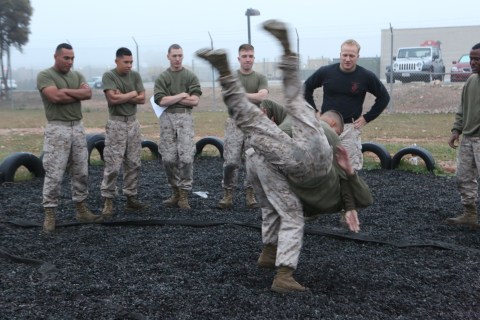
Amid the small-bore terrorists plaguing the U.S. this week, the Army’s mighty M-1 tanks, the Air Force’s stealthy B-2 bombers and the Navy’s mammoth aircraft carriers are…worthless.
That’s why it’s refreshing to …
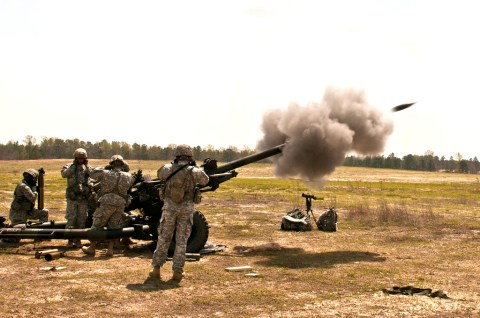
The Black Falcons, artillerymen with the 82nd Airborne Division, fire their 105mm howitzer during training at Fort Bragg, N.C., April 9.

America can’t keep things in perspective any more.
A tragedy like the Boston Marathon bomb blast happens – and it seems the world grinds to a halt. The Internet, television, and the rest of the press turn on the story like …

“We have an obligation and responsibility to think through the consequences of any direct U.S. military action in Syria. Military intervention at this point could hinder humanitarian relief operations. It could embroil the United States in a significant, lengthy and uncertain military commitment. Unilateral military action could strain other key international partnerships, as no international or regional consensus on supporting armed intervention now exists. And finally, a military intervention could have the unintended consequence of bringing the United States into a broader regional conflict or proxy war.”