Puzzling placement in Monday’s New York Times of this story detailing how China is sucking as much petroleum as it can out of Iraq.
We noted on Battleland more than two years ago that China was the destination of nearly 50% …
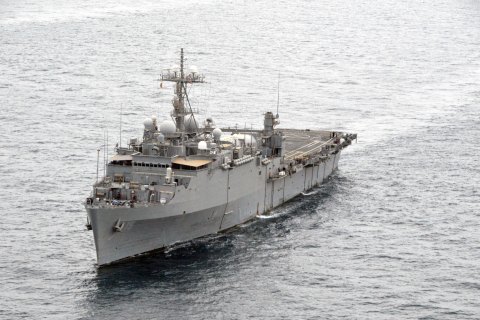
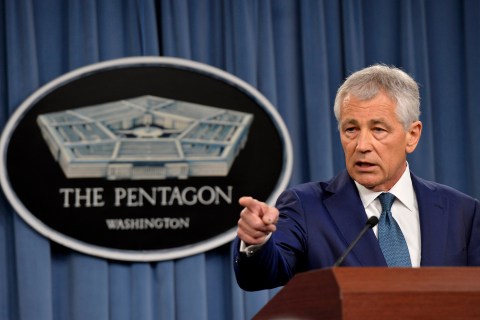
It seems the Pentagon‘s Strategic Choices and Management Review, ordered by Defense Secretary Chuck Hagel more than two months ago, is taking longer than originally anticipated. Some say the whole review is in trouble.
If so, …
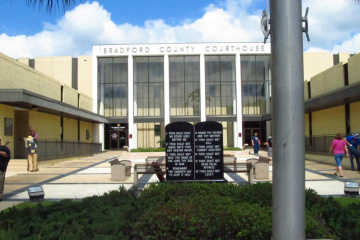
And weirdly, it owes its existence to the Ten Commandments.
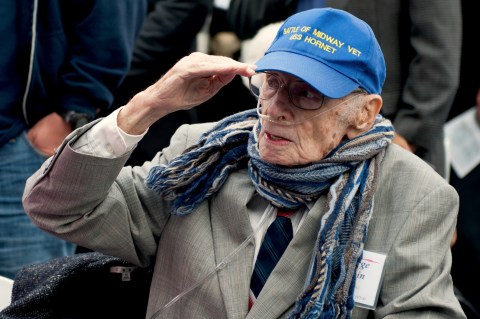
Retired U.S. Navy Lt. George Bernstein, 89, at the 71st Battle of Midway commemoration ceremony in San Diego June 1.

On Monday, 25 defense analysts from several think tanks announced that they agree on three areas in U.S. military spending where money can be saved: closing down unnecessary military bases and facilities, reforming military …

Few people have mastered the art of the haggle. It all starts with avoiding round numbers
“U.S. policy is to reduce dependence on nuclear weapons, which entails increasing dependence on conventional capabilities. This policy incentivizes prospective adversaries to develop or modernize nuclear weapons to offset U.S. conventional superiority.”
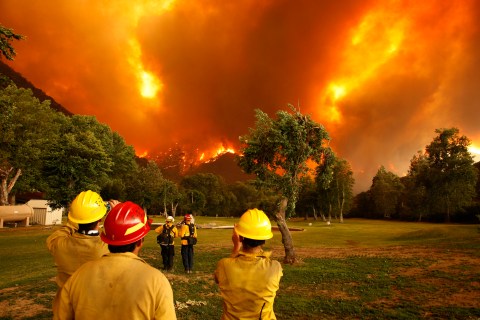
California officials ordered more than 1,000 homes to be evacuated Monday as firefighters battled to contain a blaze that has burned nearly 30,000 acres, according to KTLA.

“The United States and other international security and development partners would risk snatching defeat from the jaws of something that could still resemble victory if, due to frustration with President Hamid Karzai or domestic budgetary pressures, they were to accelerate disengagement between now and 2014 and under-resource their commitment to Afghanistan after 2014.”
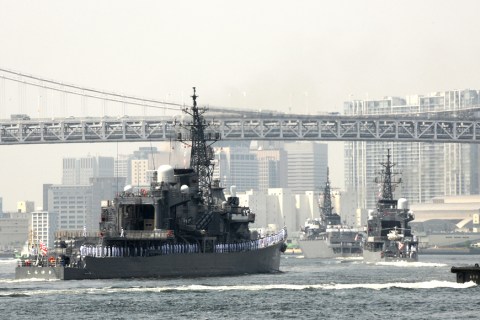
TOKYO — North Korea seems to have put its missiles away for now, but Japan’s conservative government wants the option to blast them away the next time they’re pointed in Tokyo’s direction. It’s a satisfying idea, but maybe …
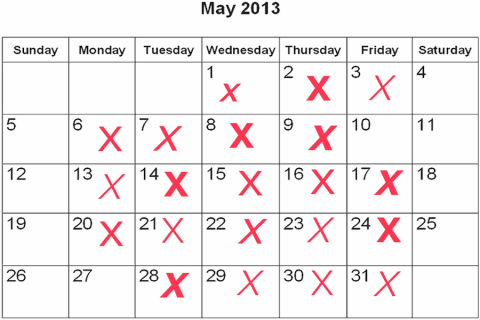
Every morning in Washington, along with Battleland’s second cup of coffee, an email arrives in our inbox highlighting the important work that took place on the ground in Afghanistan earlier that day.
Unlike the sad …