
National

“Ages in which the dominant weapon is expensive or difficult to make will tend to be ages of despotism, whereas when the dominant weapon is cheap and simple, the common people have a chance. Thus, for example, tanks, battleships and bombing planes are inherently tyrannical weapons, while rifles, muskets, long-bows and hand-grenades are inherently democratic weapons. A complex weapon makes the strong stronger, while a simple weapon--so long as there is no answer to it--gives claws to the weak.”
— George Orwell, 1945
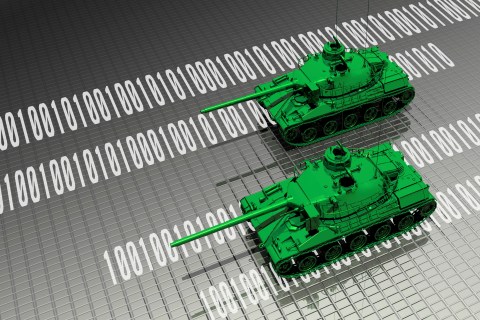
Cyber-Security: Stand Down, for Now, Congress
Washington, it seems, can’t get no satisfaction.
After years of often-alarmist rhetoric about the threat of deadly cyber-attacks – and repeated calls for government to ‘do something’ to address the threat – President Obama …

History Is Written by the Victor. Finally.
The U.S. military is pretty good at honoring its history, with statues, memorials and that kind of thing. Heck, there’s even an American Battle Monuments Commission, which says it “commemorates the service, achievements, and …
Déjà View
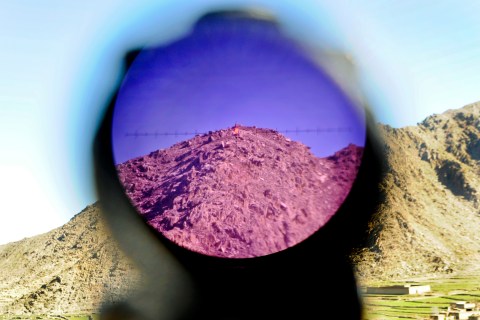
A U.S. soldier’s viewfinder shows an old Russian observation post in Kunar province, Feb. 7.
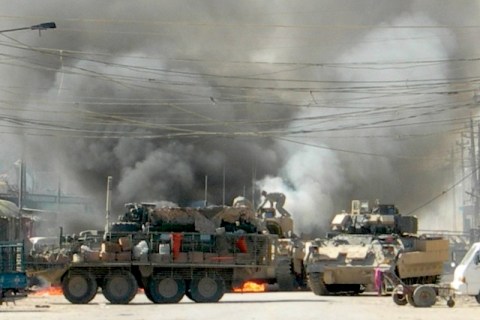
IEDs, C.O.D.
Army Major Keith Boring spent much of 2006 and 2007, his second Iraq combat tour, as a battalion plans officer for 1-40 Cavalry, 4-25 Infantry south of Baghdad. While his specialty was armor – he is a tank-driver, after all …
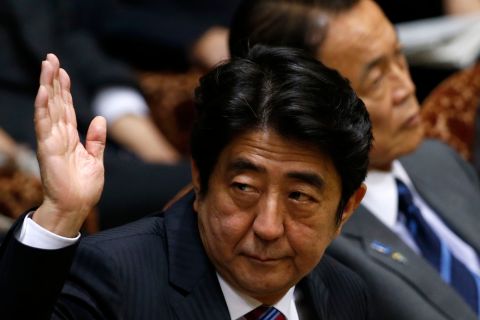
Could Abe Use Some Friendly Advice?
TOKYO – Prime Minister Shinzo Abe says his top priority when he meets with President Obama in Washington on Friday will be repairing the U.S.-Japan security alliance.
Obama’s priority ought to be making sure that Abe’s …
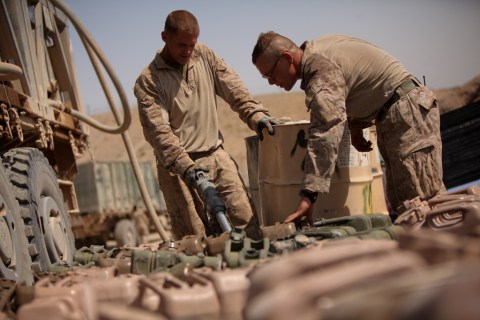
Testing the High-Test
Petroleum products are slippery fluids – in more ways than one – and it’s tough always to know if you’re getting what you’re paying for. They’re prime targets for smuggling, diluting and/or doctoring.
We recently …
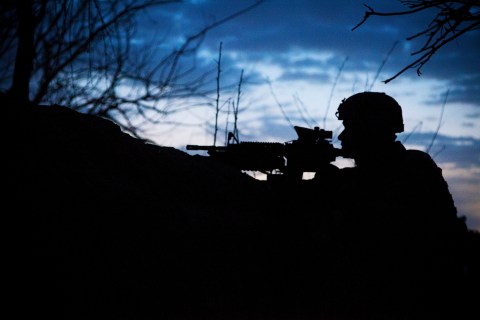
Knight Patrol
A soldier protects his buddies as they move to set up a remote outpost near Herat Feb. 17.
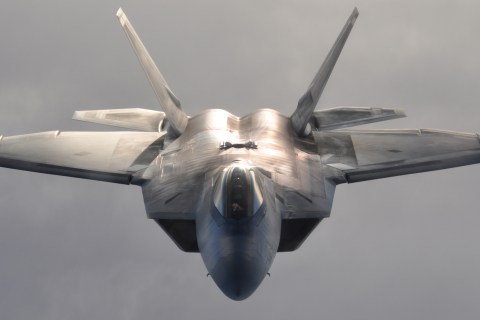
Sequestration is for Sissies: $6.9 Billion More for the F-22
Pentagon officials took to PBS and the Pentagon press room to warn Wednesday about the impending sequester’s impact on military spending.
“We’re really trying to keep on protecting the country and delivering the defense under …
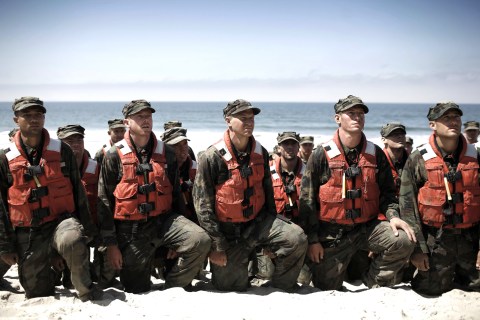
You’re a SEAL Stranded in Hostile Territory: What’s in Your Survival Kit?
SEALs aren’t supposed to find themselves in trouble that they can’t get out of. That’s why the Navy is seeking to buy 300 new survival kits for the Naval Special Warfare Development Group, sometimes known as Navy SEAL Team …
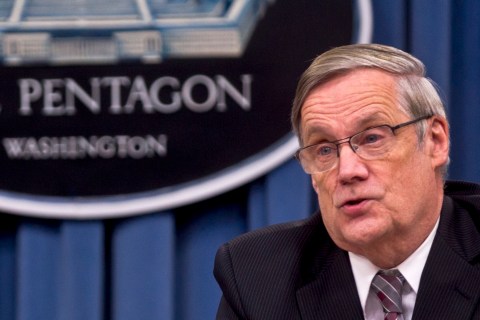
“I'm always troubled if we're trying to determine the adequacy of defense budgets based on real dollar levels in a particular year. I mean, I think you need to look at the threats that we face, and they remain quite substantial. I guess complex set of security challenges is the word. And therefore I don't think returning to some arbitrary past number for defense makes sense.”
— Pentagon comptroller Robert Hale, explaining Wednesday why the Pentagon isn't able to live with the sequester-imposed budget cuts that would return it to its 2007 level of defense spending.

“It had everything to do with 10 years of double-digit, year-over-year growth. There was no need to talk to each other. Everyone was happy. When we had a program that was bleeding, we cauterized the wound with money, because we had it. Expediency was the most important thing.”
— Brett Lambert, deputy assistant secretary of defense for manufacturing and industrial base, explaining Wednesday why communication between the Pentagon and its contractors has been lacking in recent years.