
U.S. Army Shepherd Kurt Anderson, of the 2nd Infantry Division, patrols outside a village in Zabul Province May 26.

U.S. Army Shepherd Kurt Anderson, of the 2nd Infantry Division, patrols outside a village in Zabul Province May 26.

Bill Cosby is not alone in thinking black Americans need to do better but his advice is not just tone-deaf but useless as well.
 BattlelandMissile Defense
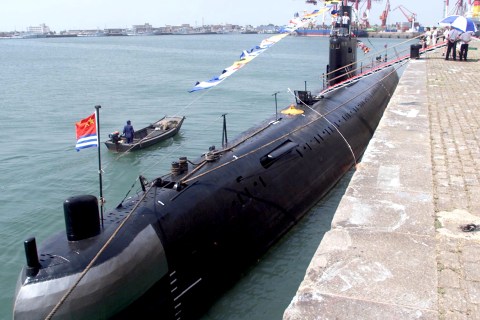
No, the service doesn’t actually name China, but that’s most like who it has in mind now that it’s seeking an “Aerial Target System to Simulate Subsonic Anti-Ship Cruise Missiles.”
Because how can the Navy be sure it …
 BattlelandTerrorism

The Edward Snowden-National Security Agency leak case raises anew the balance between means and ends that has been simmering on the back burner of the nation’s consciousness for a decade or so.
The terror attacks of 9/11 …

But why do we need to present a rationale for why we might want to devote our resources — whether they be financial or that ultimately luxury, time — to something other than children?
Still, here is Tiger, vouching for golf’s bona fides in a new Nike ad. And I couldn’t help but think that it backfired.

A pair of airmen perform a security check around a disabled C-130 at Forward Operating Base Shank, Logar Province, June 6.
TED talk from Alex Laskey, the co-founder of the energy efficiency company Opower.
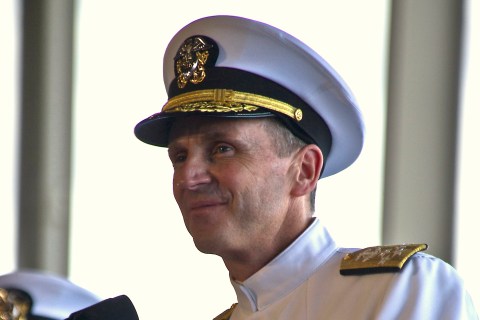
“I have been made aware, from the chain of command and from direct feedback from the Fleet, that we are spending too much time performing administrative tasks, or perhaps completing duplicative or competing requirements by ISICs [Immediate Superiors in Command] or others, which keep us from being effective -- that prevent us from keeping `Warfighting First.' To help address this imbalance, you will need to stand up a Navy-wide working group.”
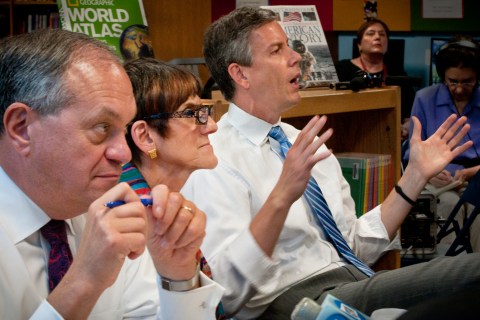
New Haven, Conn. — In the spring of 2011, David Cicarella, the teachers union president here, sat down with a tenured teacher for a difficult discussion. After a warning from his principal and months of extra support, the …
BattlelandSexual Assault in the Ranks
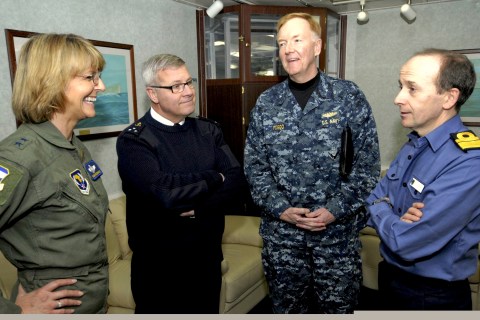
Just over two years ago, Air Force Major General Margaret Woodward was leading the U.S. air war against Libya that ultimately toppled Muammar Gaddafi — and has been hailed as one of the Obama Administration’s foreign-policy …
“Given a frightened population, Congress can legislate away liberties just as easily as tyrants can seize power. That seems to be what has started to happen.”